Most In-Demand Tech Skills for 2026: Essential Abilities to Future-Proof Your Career
By Emmanuel Chinonso - Frontend Engineer and Technical Writer at Windframe

Technology is no longer something only programmers or big companies care about. It touches almost every part of daily life, how we shop, learn, work, communicate, and even relax. Because of this, tech skills have become some of the most valuable skills you can learn today.
Why focus on 2026? Well, the job market's evolving fast. According to recent surveys, tech roles are growing by 25% year-over-year, but there's a massive skills gap.1Companies aren't just hiring coders; they want people who can blend tech with business smarts.
In this post, I'll break down the most in-demand tech skills for 2026, based on fresh reports from places like Coursera, CIO, and industry experts. We'll keep it simple, no tech jargon overload, so even if you're starting from zero, you'll get it. For those who already know a thing or two, I'll toss in some deeper insights, like salary ranges and emerging trends. Think of this as your roadmap to upskilling without the fluff. We'll cover why these skills matter, how they work in real life, and easy ways to learn them. By the end, you'll have a plan to make yourself indispensable.
Why Tech Skills Are in Such High Demand Right Now
Technology isn't just for big corporations or programmers anymore, it's woven into daily life. Think about it: A small coffee shop needs an app for orders, schools rely on online platforms for lessons, and even your fitness tracker uses tech to monitor your steps. This shift means companies aren't just hiring "IT folks"; they're seeking developers to build apps, analysts to crunch numbers, and experts to protect data from hackers.
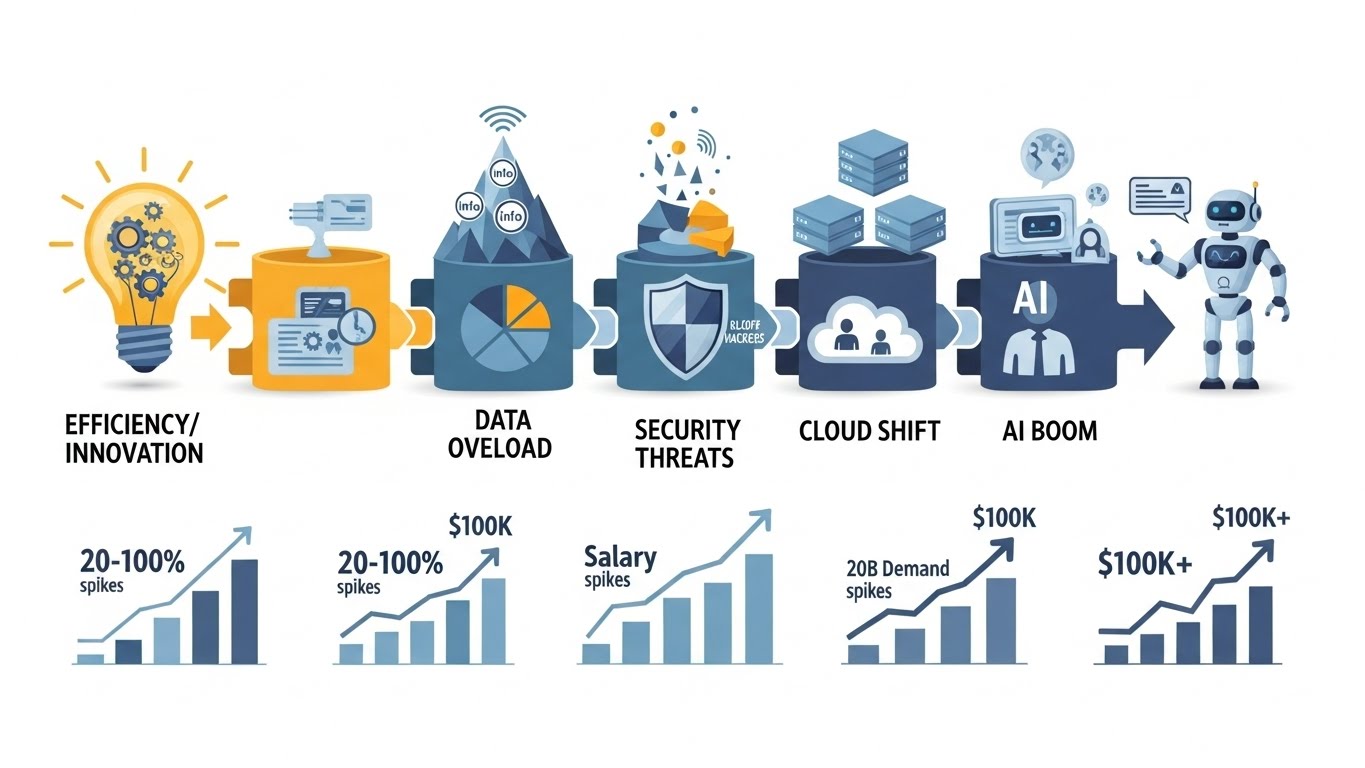
The demand boils down to a few big reasons:
-
Efficiency and Innovation: Businesses want to work faster and smarter. Tech skills help automate tasks, create new products, and reach customers online, like how AI suggests what to watch on Netflix.
-
Data Overload: We're generating mountains of info every second. Skills to analyze and visualize it turn chaos into smart decisions, like spotting why sales dipped last month.
-
Security Threats: Cyber attacks cost trillions yearly, and they're getting sneakier with AI. Companies need pros to safeguard systems and respond to breaches.
-
Cloud and Digital Shift: More operations move online for flexibility and cost savings. This creates needs for cloud setups that scale without crashing.
-
AI Boom: By 2026, AI will be in everything from personalized shopping to healthcare predictions. But it needs humans to build, ethics-check, and integrate it responsibly.
Looking ahead to 2026, reports from CIO and Coursera highlight a 20-100% spike in demand for these skills, driven by AI adoption and cyber risks.2
Salaries often hit $100K+ in the US, with global opportunities growing too. The beauty? Many can be learned online for free or low cost, no college required. It's about solving problems, not memorizing code.
If you're wondering who these skills are for, they're versatile, logic lovers might dig coding, creative types could thrive in design, and detail-oriented folks might excel in data or security. No "good at math" prerequisite; just willingness to experiment.
1. Artificial Intelligence and Machine Learning: Teaching Machines to Think and Learn

Imagine giving a computer examples, like photos of cats and dogs, and it learns to tell them apart on its own. That's the essence of AI and ML. AI is the broad idea of machines acting smart, while ML focuses on systems learning from data without being explicitly programmed.
Why so in demand? In 2026, AI's integrating into everything, from chatbots handling customer service to predictive tools in healthcare spotting diseases early. Job postings for AI skills have surged 80%, as companies race to automate and innovate.3 Without these pros, businesses can't compete in an AI-driven world.
It's like training a puppy, feed it data (treats), and it gets better at tricks (predictions). No need for advanced math at first; start with basics.
Who it's for: If you enjoy puzzles, patterns, or futuristic tech, this fits. Roles like AI engineers average $133K.4 How to learn: Andrew Ng's "AI for Everyone" on Coursera (free audit, 5 hours).5
Try building a simple recommender with Python. Focus on generative AI (like ChatGPT tech), it's exploding, but learn ethics to avoid biases in models.6
2. Data Analysis and Data Science: Turning Raw Info into Actionable Insights

Every click, purchase, or video view creates data. Data analysis sifts through it to find trends, like why a product sells more in summer. Data science goes deeper, using stats and ML to predict future outcomes, such as customer churn.Demand in 2026: With AI generating even more data, analysts are crucial for smart decisions. Postings up 20%, as businesses ditch guesses for evidence. 7 Think e-commerce using data to personalize ads.
Simple breakdown: It's like being a detective, gather clues (data), spot patterns, and explain findings with charts.
Who suits it: Number fans or storytellers who like explaining ideas. Analysts earn $111K, scientists $165K.
Start learning: Google's Data Analytics Certificate on Coursera (6 months, beginner-level).
Tools: Excel for basics, Python/SQL for advanced.
Insight: Pair with visualization tools like Tableau, visuals make insights pop for non-tech bosses. Check kaggle ai for practice datasets.
3. Cybersecurity: Safeguarding the Digital Realm from Threats

As life goes online, so do risks, hackers, scams, data leaks. Cybersecurity pros protect systems, spot weaknesses, and respond to attacks.
Why booming in 2026? Attacks cost $9 trillion yearly, and AI amps up threats. Demand up 100%, with every sector needing defense.
Like securing your home, firewalls are locks, monitoring is alarms. Best for: Problem-solvers who think like detectives. Salaries: $111K for analysts, $165K for architects. 8 Learn: Google's Cybersecurity Certificate (6 months).
Practice on TryHackMe. Cloud security is key as more data moves online.
4. Cloud Computing: Powering the Invisible Backbone of the Internet
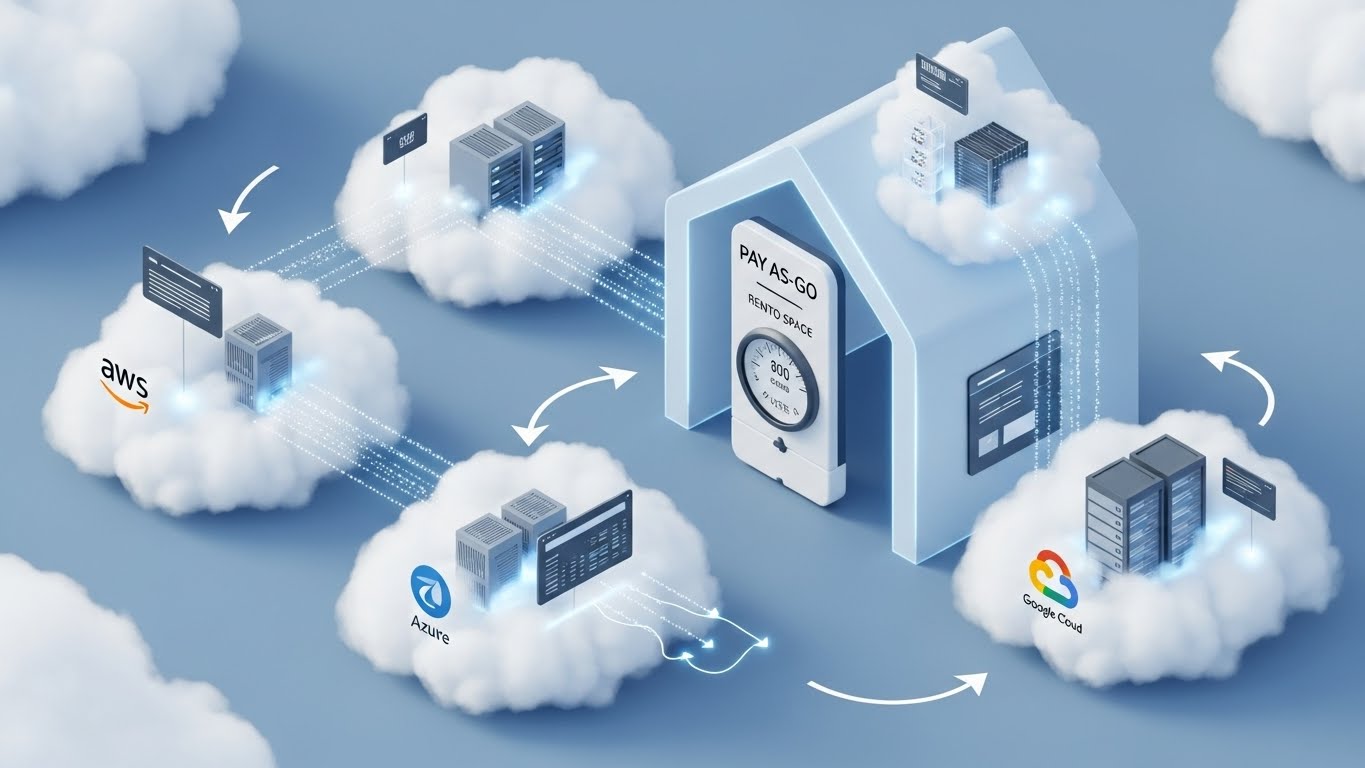
Gone are the days of on-site servers; now, data lives in the cloud, remote centers accessed via internet. Cloud skills involve managing platforms like AWS, Azure, or Google Cloud for storage, apps, and scaling. Demand: 90% of businesses use cloud; postings for AWS up 17%. 9AI and data rely on it for flexibility.
Its just like renting online space instead of buying hardware, pay as you go. For System organizers who like efficiency. Engineers in this space earn around $120K+. 10 You can definitly get started with AWS free tier or Google's Cloud Skills Boost. Learning skills across multiple cloud platforms, like AWS and Azure, gives you the freedom to switch providers without getting trapped in vendor lock-in, it's all about keeping your options open and your setups flexible.
5. Software and Web Development: Crafting the Digital Tools We Use Daily

Developers build the apps and sites we rely on, from banking apps to social media. Web dev focuses on online experiences, using languages like JavaScript for interactive fronts and Node.js for backs.
You might be asking why this skill is essential, well, Businesses need custom software; full-stack roles are versatile, with demand steady in 2026.14
Simple: Problem-solving with code, break issues into steps, write instructions. These will be excellent for Logic and creation lovers. $125K for full-stack. You can start with freeCodeCamp course or Meta's Front-End Certificate.
6. Python Programming: The Versatile Language That Powers Data, AI, and Automation
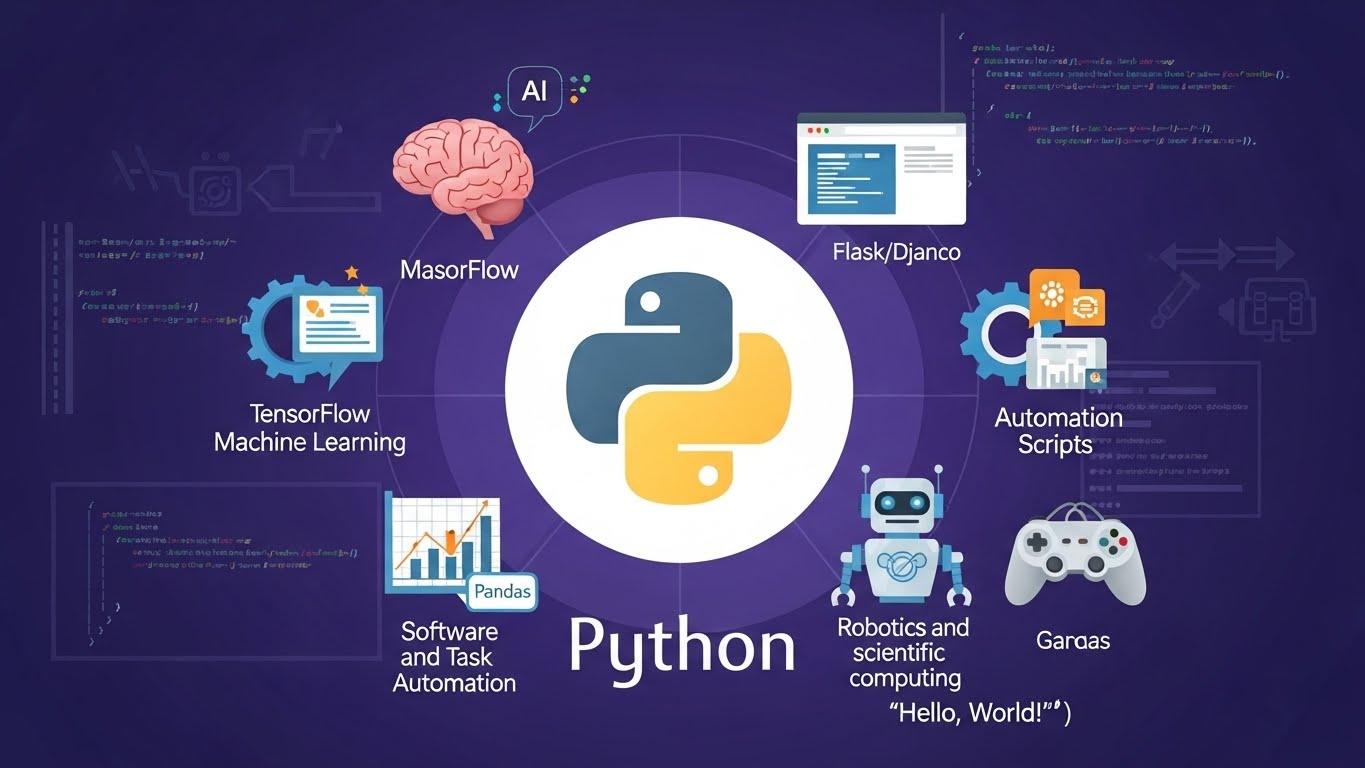
Python stands out as a programming language known for its readable syntax and wide applications, from web development to scientific computing. It allows developers to write code that resembles plain English, making it less intimidating for newcomers while powerful enough for complex tasks.
Demand for Python skills has increased by 18% as it's the preferred choice for machine learning libraries and automation scripts. In 2026, its role in AI projects makes it indispensable, with businesses using it to analyze data or build predictive models.
For those just starting, Python functions like a Swiss Army knife, simple commands can automate repetitive tasks, such as renaming files or scraping web data. A basic script might look like this:
1def greet(name):2 return f"Hello, {name}!"34print(greet("World"))
This defines a function and calls it, outputting "Hello, World!".
The language attracts a broad audience, including those interested in data or AI, with developers averaging $100K. Codecademy's Python course provides an interactive introduction, taking you from basics to projects like a tip calculator.
More advanced users pair it with libraries like Pandas for data manipulation or TensorFlow for ML models. Agentic AI, where systems self-improve, often relies on Python's flexibility. Try building a weather checker script using APIs to see its practicality in action.
7. DevOps and CI/CD: Streamlining Development for Faster, Safer Releases
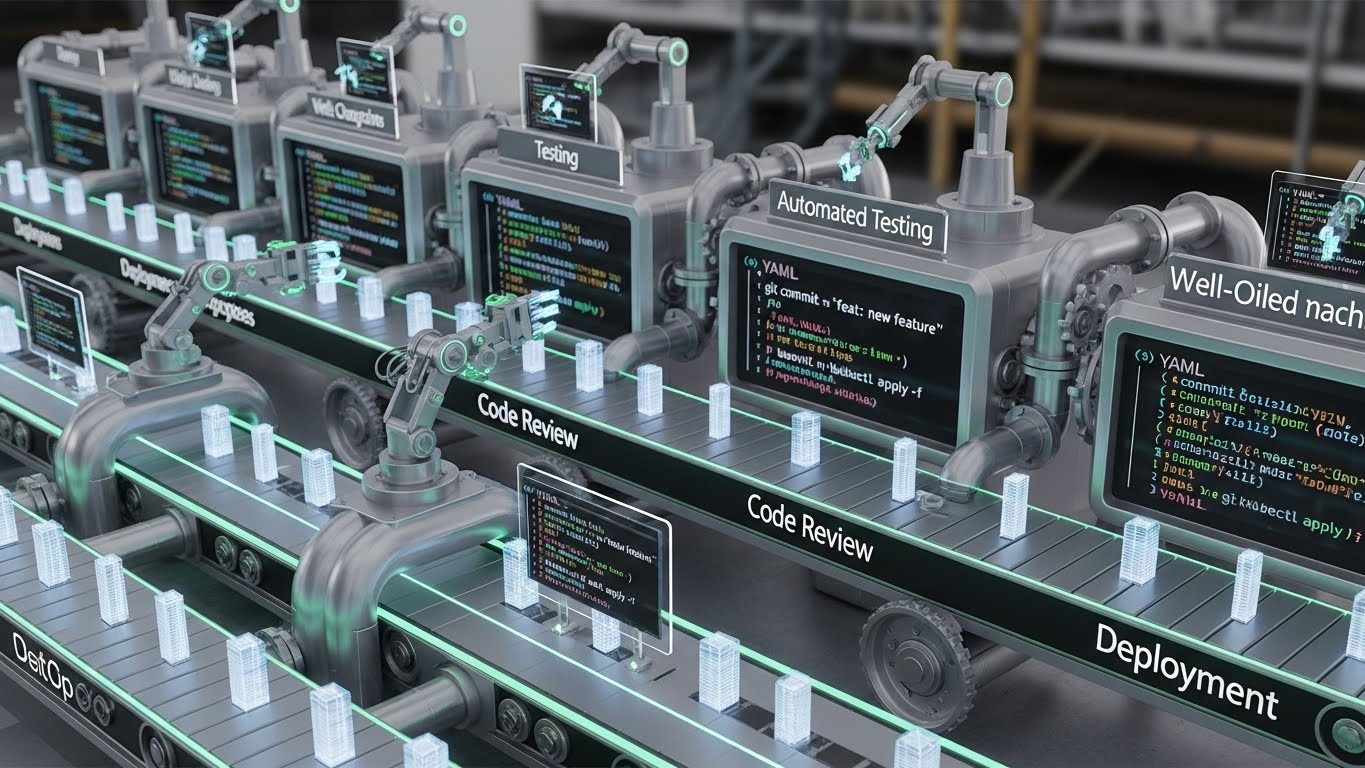
DevOps represents a cultural and technical approach that unites development and operations teams to deliver software more rapidly and reliably. CI/CD, or Continuous Integration/Continuous Delivery, automates testing and deployment processes within this framework.
The push for quicker innovation has driven a 29% rise in DevOps demand by 2026, particularly as AI requires frequent updates without downtime.
In simple terms, DevOps is like a well-oiled assembly line, code changes are integrated, tested automatically (CI), and deployed seamlessly (CD), reducing errors and speeding time to market.
This field draws those who blend coding with system management, offering salaries around $125K. Tutorials on Jenkins or GitHub Actions introduce the concepts, where you set up pipelines to run tests on every commit. For instance, a basic CI script in GitHub Actions might check code quality:
1name: CI2on: [push]3jobs:4 build:5 runs-on: ubuntu-latest6 steps:7 - uses: actions/checkout@v28 - name: Run tests9 run: npm test
Experienced practitioners adopt GitOps, using Git repositories to manage infrastructure declaratively. This ensures consistency and easier rollbacks in large teams.
8. UX/UI Design: Making Technology Intuitive and Engaging for Users
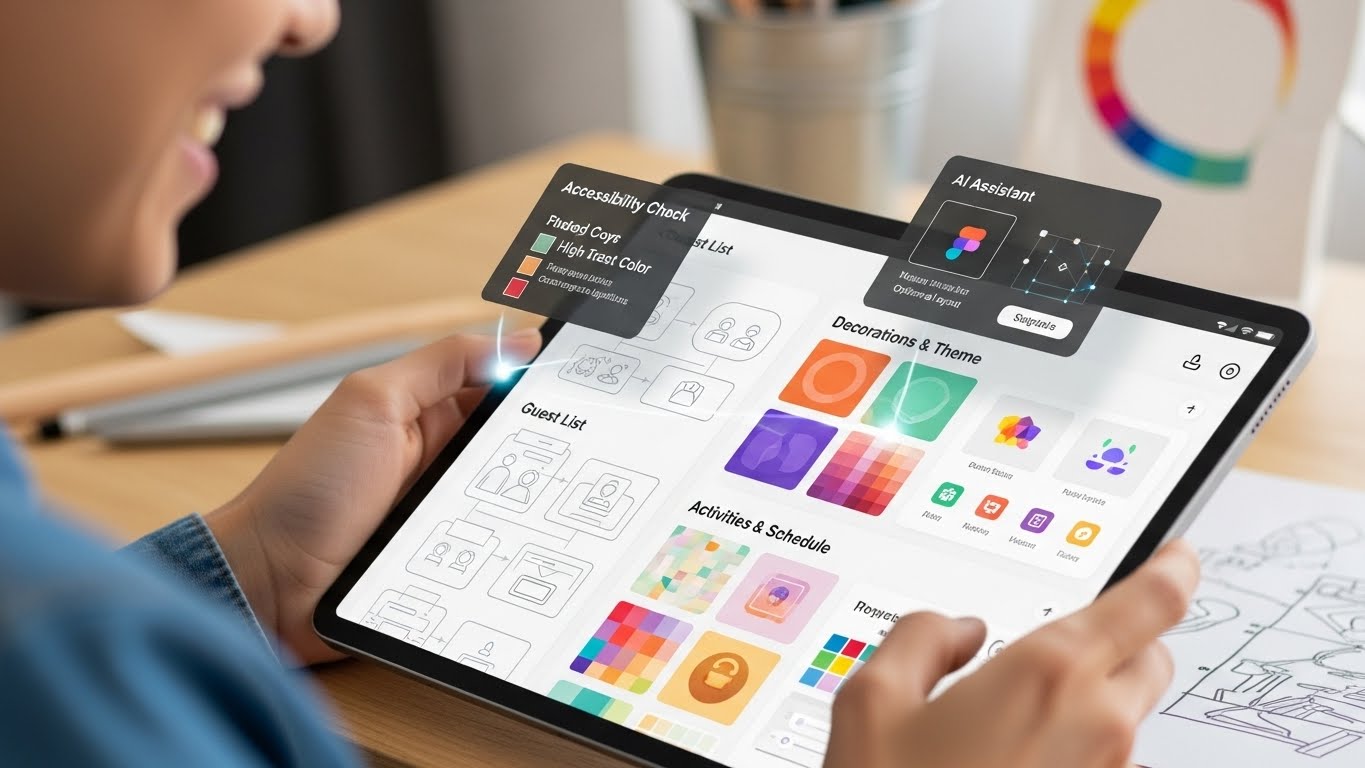
UX (User Experience) design centers on creating seamless interactions, ensuring products are easy and enjoyable to use, while UI (User Interface) deals with the visual elements, like layouts and colors.
Good design is critical as it directly impacts user retention, with demand growing in AI-driven products where interfaces must feel natural.
Beginners can compare UX to planning a party's flow, make it welcoming and logical, and UI to decorating the venue. Tools like Figma allow prototyping without code.Creative problem-solvers excel here, earning $126K on average. Google's UX Design Certificate on Coursera teaches fundamentals over six months, including wireframing and user testing. A simple project might involve redesigning a login screen for better accessibility.
Professionals incorporate AI tools like Adobe Sensei for automated layouts, but emphasize human-centered principles to avoid over-reliance on tech. Focus on inclusive design, such as color contrast for color-blind users. The Nielsen Norman Group offers excellent guide on ux design for beginners.
9. Mobile App Development: Building Tools for the Pocket-Sized World That Everyone Carries

People spend hours glued to their phones every day, scrolling social media, tracking workouts, ordering food, or playing games. That's why mobile app developers are in such high demand. They create the apps that make all this possible, designing software specifically for smartphones and tablets on platforms like Android and iOS.
Why is this skill exploding in 2026? With 5G networks rolling out faster connections and AR/VR tech becoming mainstream (think virtual try-ons for clothes or immersive gaming), mobile apps are evolving from basic tools to full experiences. Demand for mobile pros is steady and growing, as businesses want to engage users where they are on their devices. Job postings for app devs are up around 15-20% year-over-year, especially for cross-platform skills that work on both Android and iPhone without double the work. Plus, with IoT (Internet of Things) connecting phones to smart homes or wearables, apps are the glue holding it all together.
It's like building a mini-world in someone's pocket, you code features (e.g., a button to order pizza), make sure it runs smoothly on different screen sizes, and test for bugs like crashes on low battery. No need to start complex; think of it as solving everyday problems, like an app that reminds you to drink water.
Who it's for: If you enjoy seeing your work in people's hands daily and have a knack for creativity mixed with logic, this is exciting. It's practical too, roles range from freelance gig apps to big tech like Uber or TikTok. Average salaries hover around $110K-$140K, depending on experience and location, with freelancers often earning per project.
How to learn: Start with free platforms like freeCodeCamp's mobile development paths, which cover basics without cost. For tools, try React Native (build once for both Android/iOS) or Flutter (Google's framework for beautiful UIs). Begin with simple projects, like a to-do list app, and publish it on app stores for real feedback.
Pro insight: Focus on progressive web apps (PWAs), they're web-based but feel like native apps, and with 2026's push for offline capabilities (thanks to better browsers), they're a hot hybrid skill.
Challenges for newbies: Debugging on real devices can be tricky (emulators help), but communities like Stack Overflow make it manageable. In 2026, expect more emphasis on privacy features (e.g., app permissions for data) due to regulations, so brush up on that early.
10. IT Support and Networking: Keeping Systems Running Smoothly and Connected

Not every tech job involves creating flashy new apps or AI models, some are about the essential behind-the-scenes work that keeps everything humming. IT support pros help fix everyday tech glitches, like when your computer won't connect to Wi-Fi or software crashes. Networking takes it a step further, focusing on connecting devices, servers, and systems so data flows securely and efficiently, think setting up office Wi-Fi or linking cloud services.
Why is this in high demand heading into 2026? Remote work, IoT devices (smart fridges, security cams), and hybrid offices mean more complex networks that need constant upkeep. Demand is always strong because tech breaks, and businesses can't afford downtime, postings for IT support roles are up 10-15%, with networking specialists seeing even more growth as 5G and edge computing (processing data closer to users) take off. It's an entry-level goldmine; many start here and climb to higher roles like cybersecurity or cloud engineering.
IT support is like being the helpful neighbor who fixes your router, diagnose issues, install software, and teach users basics. Networking is the plumbing, ensuring data pipes (cables, wireless signals) don't leak or clog. No rocket science; it's problem-solving with tools like command prompts or network scanners.
Who it's for: Helpers who enjoy troubleshooting and people-facing work, it's often customer-service oriented. Great for career changers, as it's less code-heavy.
Salaries start at $60K-$80K for support roles, climbing to $100K+ for network engineers.
How to learn: Google's IT Support Professional Certificate on Coursera (6 months, no experience needed) covers basics like hardware fixes and OS troubleshooting. For networking, add CompTIA Network+ cert, it's affordable and recognized. Practice by setting up a home network or volunteering to fix family tech. In 2026, focus on software-defined networking (SDN) it automates setups with code, blending with DevOps for hybrid skills.
It can feel repetitive at first (lots of "have you tried restarting?"), but it builds troubleshooting muscles that pay off in advanced roles. Plus, with AI assistants handling basic tickets, human pros will focus on complex, creative fixes.
How to Choose the Right Tech Skill and Start Learning
You don’t need to learn everything at once, that's a recipe for burnout. Instead, pick based on what sparks your interest: Do puzzles excite you? Try coding or cybersecurity. Love numbers and stories? Data analysis. Creative and people-focused? UX/UI or mobile dev. Consider your work style too, solo thinkers might like data science, team players could thrive in DevOps or project management.
There is no “best” skill, only the one that fits you and your goals. If you like solving real-world problems, start with something practical like IT support or Python, they're gateway skills that lead to others.
How to kick things off without feeling overwhelmed
-
Assess Yourself: Take a free quiz on sites like 16 personalities to match skills to your traits.
-
Start Small: Dedicate 10-20 minutes daily. Online courses like those on Coursera or Udemy are flexible and often free to audit.
-
Build Projects: Theory's great, but hands-on sticks, code a simple app, analyze a dataset from Kaggle, or set up a home network.
-
Make Mistakes and Iterate: Everyone messes up at first; that's how you learn. Join communities like Reddit's r/learnprogramming for support.
-
Get Certified: Low-cost options like Google's certs add resume cred without years of study.
-
Network: Follow pros on LinkedIn or X, attend free webinars, I've made connections that led to mentorships this way.
Challenges? Time and motivation, combat with micro-habits (e.g., one lesson a day) or accountability buddies. For career changers, bootcamps like General Assembly offer intensive paths with job placement help.
Wrapping Up: Your Personalized Path to Tech Success in 2026 and Beyond
Whew, we've covered a lot, from the foundational skills like software development and data analysis that power today's world to the forward-leaning ones like ethical AI and mobile dev that'll define 2026. Remember, these aren't just buzzwords; they're your tools to thrive in a tech-driven future. Whether you're eyeing a career switch, a side hustle, or just personal growth, picking even one skill can open unexpected doors. I've seen friends go from zero tech knowledge to landing remote jobs in under a year by starting small and staying consistent, you can too.
What's next for you? Grab one skill that excites you, maybe tinker with a mobile app if you love hands-on creation, or dive into IT support if troubleshooting feels natural. Track your progress in a journal, celebrate small wins (like your first "Hello World" code), and don't hesitate to ask for help in online forums. If you're stuck choosing, try a free intro course in a couple and see what clicks.
Windframe is an AI visual editor for rapidly building stunning web UIs & websites
Start building stunning web UIs & websites!